what is
Braincurrant?
Braincurrant® is a premium, whole fruit powder made from carefully selected New Zealand blackcurrants.
Unlike conventional extracts, Braincurrant® uses the complete fruit skin, flesh, and seeds preserving the natural balance of bioactive compounds exactly as nature intended.
This whole fruit approach delivers a broader, more sustained spectrum of brain-supporting nutrients, working together to support cognitive performance, emotional balance, and healthy brain aging.
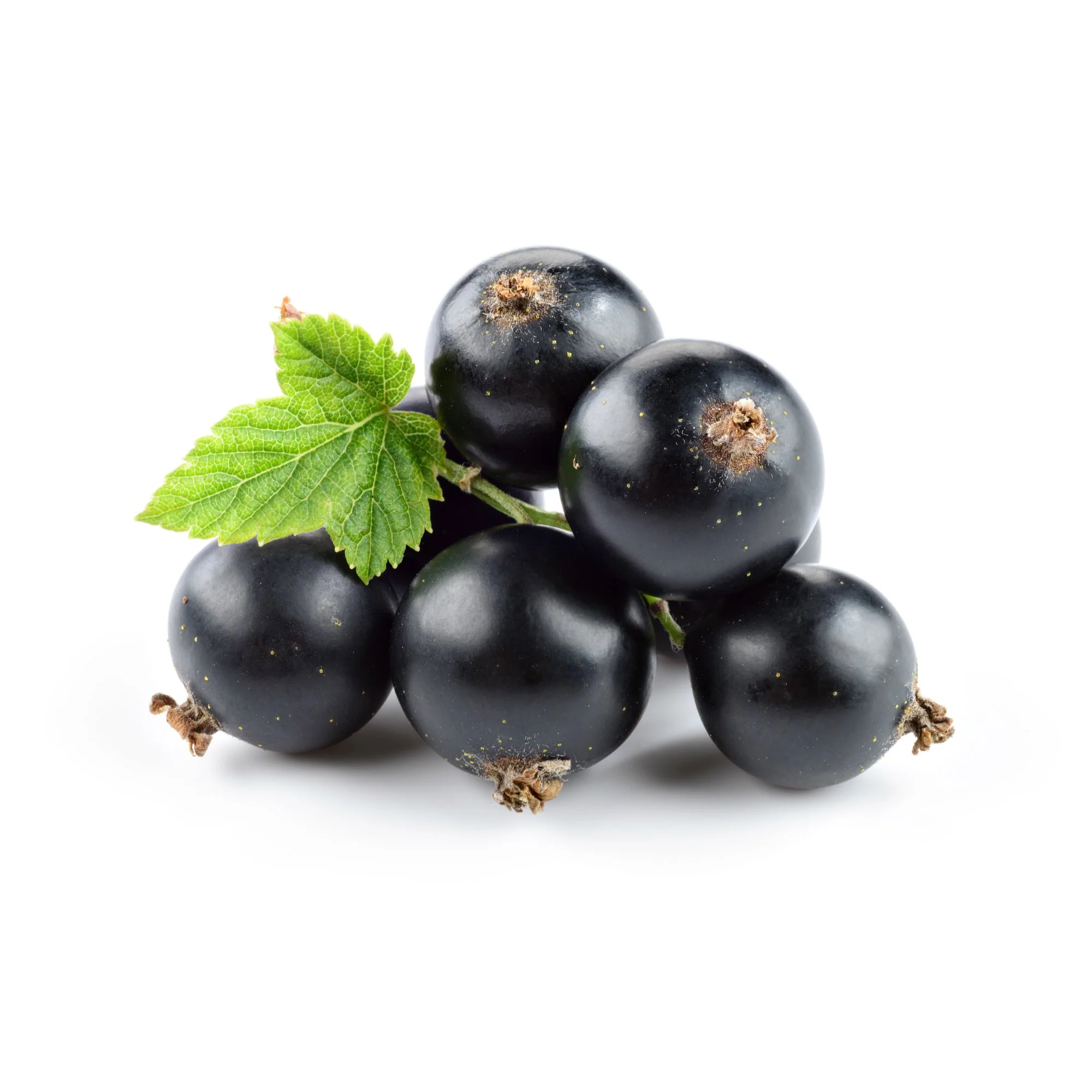

Why Blackcurrant
Is a Brain SuperfruiT.
Blackcurrants (Ribes nigrum) are among the most nutrient-dense berries in the world.
New Zealand’s unique growing conditions, high UV exposure, clean soils, and cool climate, stimulate the fruit to produce exceptional levels of protective compounds.
As a result, New Zealand blackcurrants contain naturally high concentrations of:
- Anthocyanins (deep purple pigments)
- Polyphenols and flavonoids
- Caffeoylquinic acids
- Vitamin C
- Essential minerals
These compounds play important roles in supporting brain and vascular health.
BRAINCURRANT is
a Brain SuperfruiT.
The natural compounds in blackcurrants support brain function through
three interconnected pathways.
01.
PROTECTING Neurotransmitter Balance
Certain blackcurrant compounds help modulate monoamine oxidase (MAO), an enzyme involved in breaking down dopamine and serotonin.
By supporting healthy MAO activity, blackcurrants help maintain balanced neurotransmitter levels that are essential for:
- Motivation
- Mood stability
- Learning and memory
- Emotional resilience
02.
Supporting Healthy
Blood Flow
Blackcurrant polyphenols help stimulate nitric oxide production, which supports healthy blood vessel function.
This promotes better circulation to the brain, helping deliver oxygen and nutrients that brain cells need for optimal performance.
Benefits include:
- Improved mental alertness
- Support for working memory
- Enhanced concentration
03.
Defending Against
Oxidative Stress
Blackcurrant antioxidants neutralise free radicals that damage brain cells.
This protects against:
- Oxidative stress
- Inflammation
- Age-related degeneration
Blackcurrant’s
key health benefits.

Cognitive Performance
Mental clarity
Focus and attention
Processing speed

Emotional
WellbeinG
Balanced mood
Stress resilience
Positive motivation

Mental
Energy
Reduced mental fatigue
Sustained concentration
Improved productivity

Healthy
Brain Aging
Neuron protection
Memory preservation
Vascular support
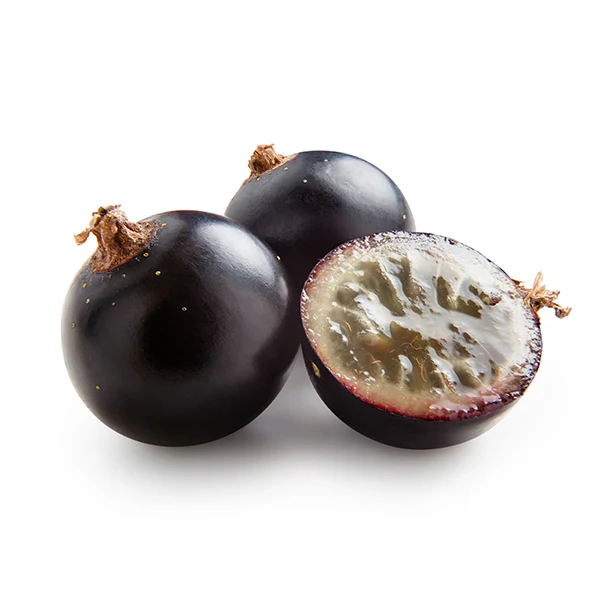
WHOLE FRUIT MAKES
THE DIFFERENCE.
Most blackcurrant supplements rely on isolated extracts that contain only a small portion of the fruit’s natural compounds.
Braincurrant® preserves the complete polyphenolic matrix, allowing bioactives to work synergistically for:
- Broader biological activity
- Longer-lasting effects
- Improved bioavailability
- Greater formulation stability
This delivers more comprehensive support than single-compound products.
FROM ORCHARD TO
INGREDIENT.
Braincurrant® begins in carefully managed New Zealand orchards, where blackcurrants are grown under strict quality and sustainability standards.
The fruit is harvested at peak ripeness and gently processed to preserve its nutritional integrity, ensuring consistent quality, colour, flavour, and bioactivity in every batch.
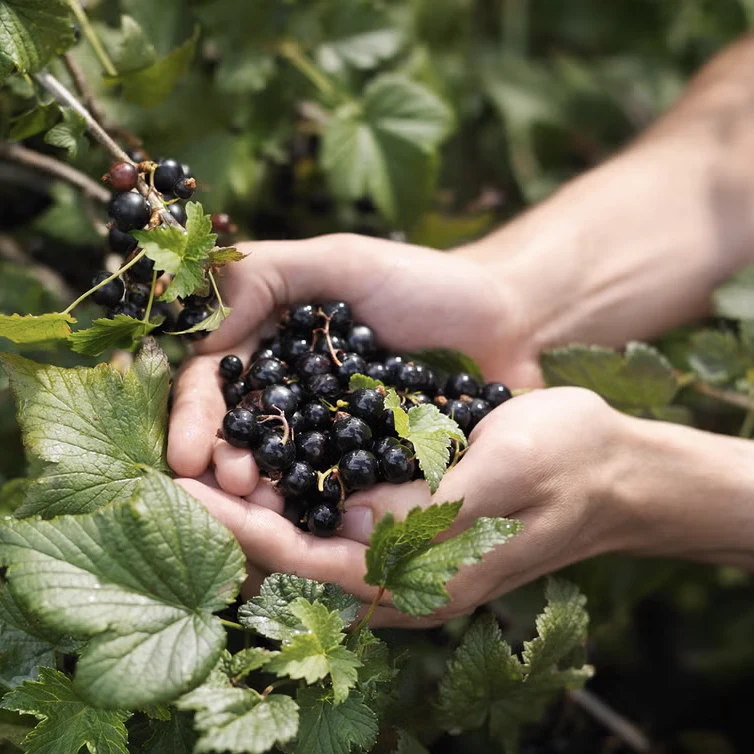
what is a
blackcurrant?
The blackcurrant (Ribes nigrum) is a small, dark, tart berry that grows on shrubs in cool temperate climates. It is tart enough that most of the crop goes into juice, cordial, jam and supplements.
The nutrient profile is what sets it apart from other berries. USDA data for raw European black currants list about 181 mg of vitamin C and about 3.5 g of fibre per 100 g, for roughly 63 kcal. The deep purple colour comes from anthocyanins, mainly delphinidin and cyanidin glycosides, the compounds behind much of the research interest in the berry.
blackcurrant
vs blueberry
Blueberry is the berry most people reach for when they think about brain health. Per 100 g of fresh fruit, blackcurrant has far more vitamin C and more fibre. On anthocyanins the picture is less clear-cut: reported ranges for both fruits overlap widely and swing with cultivar, ripeness and the lab method used. Anyone claiming one fruit beats the other gram for gram is overreaching.
| Per 100 g fresh fruit | Blackcurrant | Blueberry |
|---|---|---|
| Vitamin C | about 181 mg | about 8 to 10 mg |
| Fibre | about 3.5 g | about 2.4 g |
| Total anthocyanins (varies with cultivar and method) | roughly 80 to 470 mg | roughly 40 to 440 mg |
| Main anthocyanin types | delphinidin and cyanidin glycosides (97 to 98% of the total) | a wider mix, including malvidin, delphinidin, petunidin, cyanidin and peonidin glycosides |
Figures are approximate. Sources: USDA FoodData Central; published cultivar studies.
Blueberry has its own human research. The case for blackcurrant rests on its vitamin C and fibre, a different anthocyanin mix, and its own set of studies, described below.
what the
evidence says
The human research on blackcurrant and the brain is early. Most of the trials we cite are small and short, run in healthy young adults, and use juice or extract rather than a finished supplement. Three examples:
- A randomised, double-blind, placebo-controlled crossover trial in 36 healthy adults aged 18 to 35 tested acute supplementation with blackcurrant extracts and reported changes in cognitive task performance and in MAO-B activity (Watson et al., 2015).
- A crossover trial in 8 healthy men found that one serving of juice standardised to 500 mg of polyphenols inhibited platelet MAO-B reversibly compared with placebo. It showed no interpretable change in MAO substrates or their metabolites (Watson et al., 2020).
- A placebo-controlled crossover trial in 20 healthy young adults found changes in prefrontal blood-flow measures after juice, but no effect on cognition (Watson et al., 2026).
Zooming out, the picture is similar. A 2025 meta-analysis of 59 randomised trials of anthocyanin supplements, mostly in older adults, found better general cognition than control, with no link to dose and larger gains in longer trials. None of this shows that blackcurrant treats or prevents any condition, and none of the studies above tests Braincurrant® itself.
Where Braincurrant® fits: it is a whole-fruit powder made from 100% New Zealand blackcurrants, grown and freeze-dried in New Zealand. Anagenix says its Target Bio-Lock™ freeze-drying preserves up to 97% of key bioactives. The suggested dose is 300 mg a day, for dietary supplement and functional food formats. Manufacturers can find a supply route through Anagenix’s distributor network.
blackcurrant
questions
Is blackcurrant good for you?
Blackcurrant is a nutrient-dense fruit: high in vitamin C and fibre, and rich in anthocyanins. The human evidence for brain benefits is early and comes from small, short trials, so we describe blackcurrant as supporting brain health, not as treating or preventing any condition.
Does blackcurrant or blueberry have more anthocyanins?
The reported ranges overlap widely, roughly 80 to 470 mg per 100 g for blackcurrant and 40 to 440 mg for blueberry, and both vary with cultivar and the lab method. Blackcurrant clearly has more vitamin C and more fibre.
What is Braincurrant?
Braincurrant® is a whole-fruit powder made from 100% New Zealand blackcurrants, grown and freeze-dried in New Zealand. It is an ingredient for supplement and food manufacturers, not a consumer product, with a suggested dose of 300 mg a day. Brands and formulators can contact Anagenix for samples and specifications.
How is blackcurrant powder different from blackcurrant extract?
A whole-fruit powder keeps the fruit’s full phenolic matrix, including anthocyanins, caffeoylquinic acids, caffeoyl glucosides, flavonols and vitamin C. Extracts are usually concentrated toward one compound class. Anagenix’s comparison is based on composition, not a head-to-head human trial.